

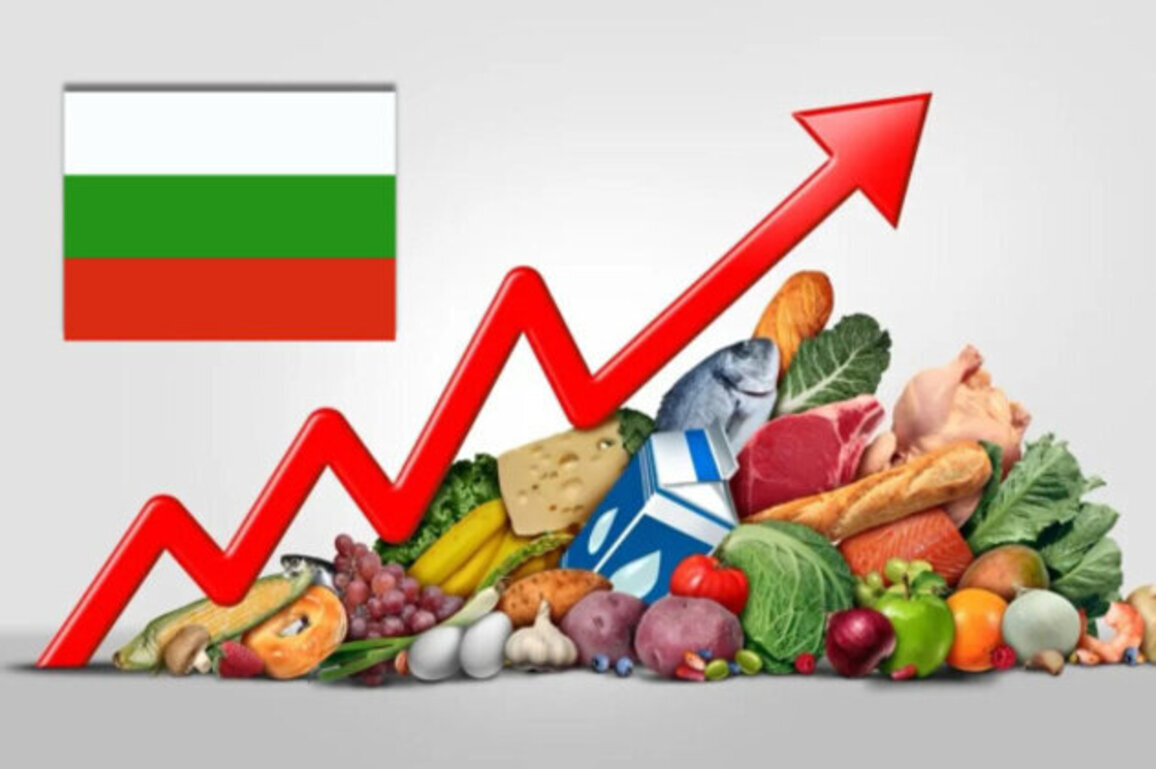
Inflation in Bulgaria continued to accelerate in April 2026, reaching 1.8% on a monthly basis and 6.8% year-on-year, according to data released by the National Statistical Institute (NSI). Since the beginning of the year, cumulative inflation has stood at 3.7%, while the average annual rate for the May 2025?April 2026 period reached 4.8%.
NSI figures show that price growth was broad-based, with the strongest increases recorded in transport, clothing, and food. Transport costs rose by 9.0%, while clothing and footwear increased by 7.9%. Food products and non-alcoholic beverages also posted growth of 1.7%, while the only category registering a decline was entertainment, sports, and culture, which fell by 1.6%.
Within food items, several products saw particularly sharp increases. Tomatoes rose by 28.8%, peppers by 24.8%, cabbage by 18.3%, and lamb by 9.1%. Prices also moved upward for bananas, pork, onions, and dairy products, reflecting continued pressure across staple food categories.
At the same time, some items became cheaper, including coffee, potatoes, margarine, dried beans, cheese, yellow cheese, as well as certain household goods such as vacuum cleaners. Tourism-related services, including domestic holiday packages and hotel stays in resorts, also declined in price, alongside washing machines, dryers, air-conditioning units, and televisions.
Energy and transport-related costs were among the main drivers of inflation in non-food categories. Propane-butane gas for vehicles increased by 26.3%, international flights by 24.4%, diesel by 19.5%, and A95H petrol by 9.2%. Clothing and footwear also contributed significantly to the overall upward pressure on prices.
According to NSI, accumulated inflation measured by the consumer price index over the past five years reached 44.5%, highlighting the longer-term price impact on households.
The Harmonized Index of Consumer Prices (HICP), used for European Union comparisons, showed annual inflation at 6.0% and monthly inflation at 1.8%, broadly aligned with national figures but slightly lower on an annual basis.
For lower-income households, inflation pressures remained noticeable. The 'small basket? index, which tracks consumption among the lowest-income 20% of households, rose by 1.5% month-on-month and 4.5% annually, with food prices in this segment increasing by 2.0%.